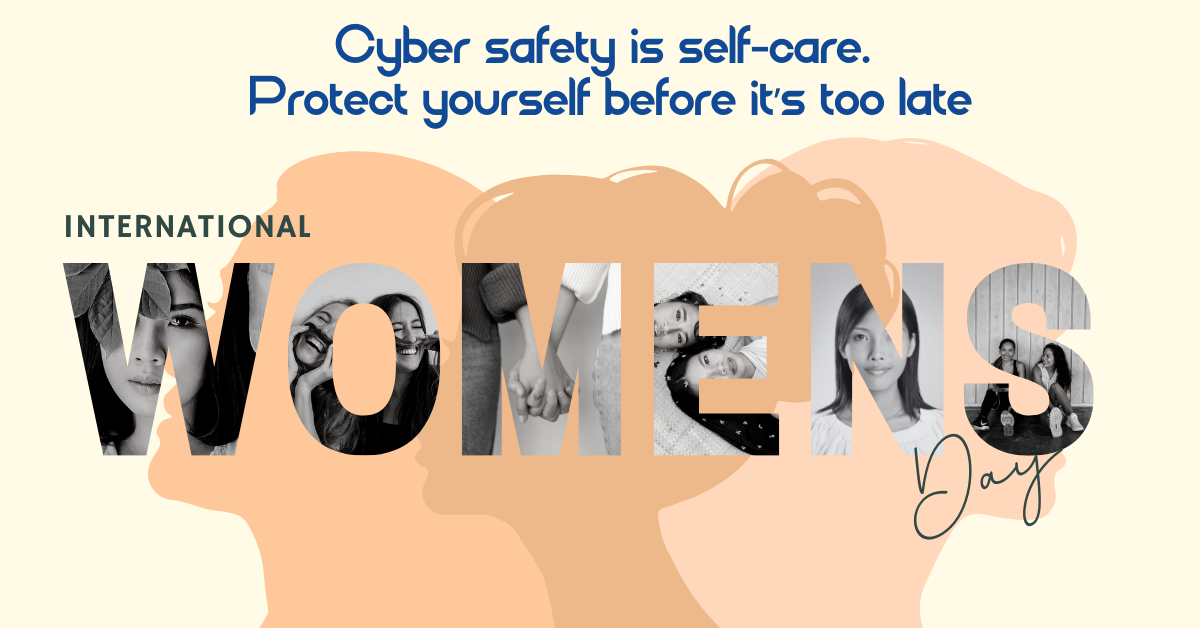
Before It’s Too Late: 7 Steps Every Woman Must Take to Secure Her Online Life
Every year on International Women’s Day, we celebrate women’s achievements, resilience, and the progress made toward equality. But alongside celebration, there is a serious conversation that needs attention women’s safety in the digital world.
Today, smartphones, social media, and online platforms have become a part of daily life. While technology empowers women to learn, work, and connect, it has also created new risks. Cyber criminals often target women through harassment, fake profiles, stalking, and threats that can cause severe emotional trauma and reputational damage.
The painful truth is that many cyber crimes could be prevented early with awareness and simple digital precautions. Understanding these risks is the first step toward protecting yourself and others.
Online safety often depends on small daily habits. By adopting a few precautions, women can significantly reduce cyber risks.
Key Cyber Safety:
- Use strong and unique passwords for each account.
- Enable two-factor authentication wherever possible.
- Keep social media profiles private.
- Avoid sharing personal contact details publicly.
- Be cautious with unknown links or attachments.
- Think carefully before posting photos online.
- Update your phone and apps regularly for security.
- Educate family members and children about online safety.
- Save evidence of cyber harassment before blocking offenders.
- Report cybercrimes immediately.
The Growing Reality of Cyber Crimes Against Women
India has witnessed a significant rise in online crimes targeting women. These crimes are not always dramatic hacking incidents. Often, they start with something simple—an unknown friend request, an inappropriate message, or a fake social media account.
Over time, these actions may escalate into serious offenses such as:
- Cyber harassment
- Cyber stalking
- Fake social media profiles
- Image morphing
- Online threats and intimidation
- Identity theft
- Sexual harassment on social media
Under the Information Technology Act 2000, many of these acts are punishable offenses. However, prevention and early reporting remain the most powerful tools women have to stop such crimes.
Women’s Cyber Safety: Quick Help
- Report Online: National Cyber Crime Portal
- Call Helpline: National police helpline number is 112. National women helpline number is 181 and Cyber Crime Helpline is 1930.
- Contact Police: File an FIR at your local station
- Report on Platform: Facebook, Instagram, X/Twitter, WhatsApp → Block & Report
- Reach NGOs: Cyber Peace Foundation, Prajnya Trust, Digital Empowerment Foundation
- Seek Legal Help: Consult a cyber law lawyer if harassment continues
- Protect Yourself: Save evidence, change passwords, enable 2FA, avoid interaction with harasser
1.Cyber Harassment: When Online Messages Become Emotional Attacks
Cyber harassment involves repeated abusive or threatening messages sent through social media, email, or messaging platforms.
What begins as a rude comment can quickly turn into persistent harassment. Many women experience unwanted sexual remarks, threats, or humiliating posts.
How to protect yourself
- Keep your social media accounts private or limited to trusted contacts.
- Avoid responding to abusive messages repeatedly.
- Use the block and report feature on platforms immediately.
- Take screenshots of abusive content as evidence.
Silence and documentation are often the strongest responses against online harassment.
2.Cyber Stalking: When Someone Watches Your Digital Life
Cyber stalking occurs when someone continuously monitors a woman’s online activity, sends repeated messages, or tries to track her location.
Stalkers often gather information from social media posts to learn about routines, workplaces, and personal relationships.
Prevention tips
- Turn off location tagging on photos and posts.
- Avoid sharing real-time travel updates.
- Remove personal details like home address or phone number from profiles.
- Enable two-factor authentication for all accounts.
Your digital footprint should never reveal more about you than necessary.
3.Fake Profiles and Identity Theft
One of the most common cybercrimes targeting women is identity theft. Criminals download photos from social media and create fake profiles to impersonate women.
These fake profiles may be used for scams, harassment, or spreading offensive content.
Protecting your identity
- Use privacy settings so only friends can view your photos.
- Avoid uploading very personal images publicly.
- Regularly search your name online to check for fake accounts.
- Report impersonation profiles immediately.
Platforms like Instagram, Facebook, and X provide reporting tools to remove fake accounts.
4.Image Morphing and Online Exploitation
Image morphing involves editing a woman’s photograph to create obscene or misleading content. Criminals often download photos from social media and manipulate them to harass or blackmail victims.
This crime can cause severe emotional distress and reputational harm.
How to stay safe
- Avoid posting high-resolution personal photos publicly.
- Be cautious about sharing private images online.
- Use watermarks on professional photographs.
- Immediately report suspicious posts or altered images.
If you encounter such misuse, you can file a complaint through the National Cyber Crime Reporting Portal.
5.Cyber Bullying and Online Trolling
Cyber bullying happens when individuals repeatedly insult, threaten, or humiliate someone online. Trolls often hide behind fake identities and provoke emotional reactions.
While online bullying may seem minor at first, it can seriously affect mental health and self-confidence.
Smart ways to deal with trolls
- Do not engage in arguments with abusive accounts.
- Use comment moderation settings on social media.
- Block and report repeat offenders.
Remember: Trolls thrive on attention. Ignoring them weakens their power.
6.Sexual Harassment on Social Media
Fake accounts are frequently used to send inappropriate messages or explicit content to women.
Many victims initially hesitate to report such behavior due to embarrassment or fear of social judgment.
Protective steps
- Accept friend requests only from people you know.
- Verify suspicious profiles before responding to messages.
- Avoid sharing personal information in private chats.
- Immediately report accounts sending explicit content.
Digital harassment is not your fault, and reporting it helps protect others as well.
Breaking the Silence Around Cyber Crimes
One of the biggest reasons cyber criminals continue their actions is silence. Many women hesitate to report online abuse because they fear blame, embarrassment, or social stigma.
However, reporting cyber crimes is essential to stop offenders and protect others.
Organizations like the Indian Cyber Crime Coordination Centre and law enforcement agencies are actively working to tackle digital crimes. Awareness, early reporting, and community support are powerful tools in making the internet safer for everyone.
The internet should be a space of opportunity, creativity, and connection—not fear. As digital technology continues to shape our lives, cyber safety must become a priority for every woman.
On this International Women’s Day, let’s move beyond celebration and commit to awareness, vigilance, and empowerment. Because protecting women online is not just a personal responsibility it’s a collective effort toward a safer digital future.